


Why Does One Side of My Home Have More Stucco Cracks Than the Other?
Different sides of your home experience different conditions every day.
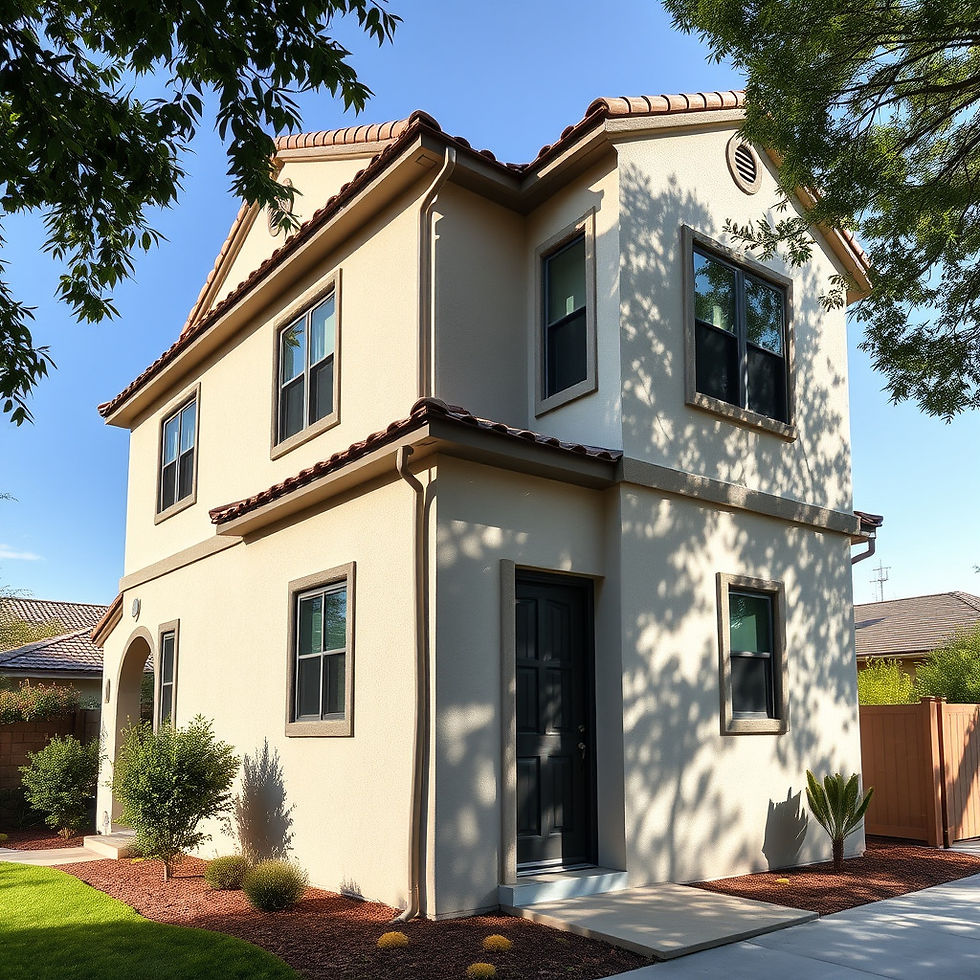
You walk around your home and notice something interesting.
The stucco on one side looks almost perfect. On another side, you see several small cracks beginning to appear.
Was that side built differently?
Probably not.
The answer often comes down to the environment each wall faces every day.
A home doesn't experience weather evenly. In the Houston area, south- and west-facing walls typically receive the most intense afternoon sun. Those surfaces heat up significantly during the day, then cool after sunset. That continual cycle of expansion and contraction places different stresses on building materials than walls that spend much of the day in the shade.
Rain also plays a role. Depending on wind direction during thunderstorms, one side of a home may receive far more wind-driven rain than another. Landscaping, irrigation systems, and nearby trees can also create different conditions around various portions of the exterior.
Even the soil beneath a home may not behave exactly the same everywhere. Differences in drainage, shade, and moisture can cause slight variations in how the ground expands and contracts, which may contribute to small movements that become visible in exterior finishes.
This is one reason inspectors don't evaluate just a single crack or one section of stucco. They examine the entire exterior, looking for patterns. Is cracking concentrated around windows? Is it limited to one elevation? Are there signs of movement, failed sealants, or moisture concerns nearby?
Those patterns often provide more useful information than any individual crack.
It's also important to remember that not every crack indicates a serious problem. Hairline cracks can occur as part of the normal aging process of a home. The questions are whether the cracking is changing, whether water has a pathway into the wall system, and whether additional conditions suggest the exterior should be evaluated more closely.
Your home is exposed to the elements every hour of every day, but not every wall experiences those elements in the same way. Understanding that can help explain why one side of the house may age differently than another.
The goal isn't to expect every wall to look identical. It's to recognize changes, understand why they may be occurring, and address concerns before they have an opportunity to grow.


Comments