


Why Are New Cracks Appearing in My Stucco?
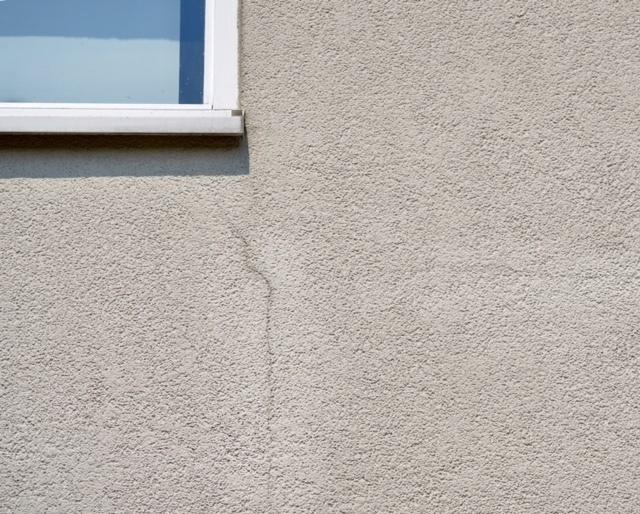
Cooler weather, shifting soil, and ordinary building movement can all play a role.
Houston has finally experienced a few mornings in the 60s. After months of summer heat, that's a welcome change.
But as homeowners begin spending more time outdoors, some may notice something less welcome: a crack in the stucco that wasn't there before.
Did the cooler weather cause it?
Possibly. But the explanation isn't always that simple.
Your Home Is Constantly Moving
Buildings may look perfectly stationary, but their materials are continually responding to changes in temperature and moisture.
During Houston's long summers, exterior surfaces absorb considerable heat. As temperatures rise, building materials expand. When temperatures fall, those materials contract.
Different materials respond at different rates, and the resulting stresses can sometimes contribute to cracking in exterior finishes.
Stucco is a relatively rigid material, so it doesn't accommodate movement the same way more flexible materials do.
That doesn't mean every crack indicates a serious problem. Minor cracking can occur as a building ages and experiences normal environmental changes.
The important question is what the crack may be telling you about the wall.
Houston Soil Adds Another Complication
Temperature isn't the only thing changing this time of year.
Houston's expansive clay soils respond to moisture conditions. Extended dry periods can cause soil to shrink, while substantial rainfall can cause it to swell.
Those changes can contribute to movement in foundations and other structural components.
Movement may eventually become visible in exterior finishes, including stucco.
A crack that appears near a window or door, follows an unusual pattern, or continues changing over time may deserve more attention than a small, isolated surface crack.
However, the appearance of a crack alone cannot establish whether foundation movement is responsible.
Not All Stucco Cracks Mean Water Is Getting Inside
One of the most common concerns homeowners have when they discover a crack is whether moisture is entering the wall.
That's a reasonable question, particularly in Houston's wet and humid climate.
But a visible crack doesn't automatically mean there's elevated moisture behind the stucco.
Likewise, a wall can have moisture-related problems without displaying significant cracking on the surface.
That's why evaluating stucco involves more than looking at a single visible defect. The surrounding conditions matter, including the location of the crack, nearby windows and penetrations, flashing, sealants, and other elements of the exterior wall system.
What Should You Do When You Notice a New Crack?
Start by documenting it.
Take a clear photograph and note the location. If possible, include something in the photograph that provides a sense of scale.
Pay attention to whether the crack changes over time, particularly after substantial rain or significant temperature changes.
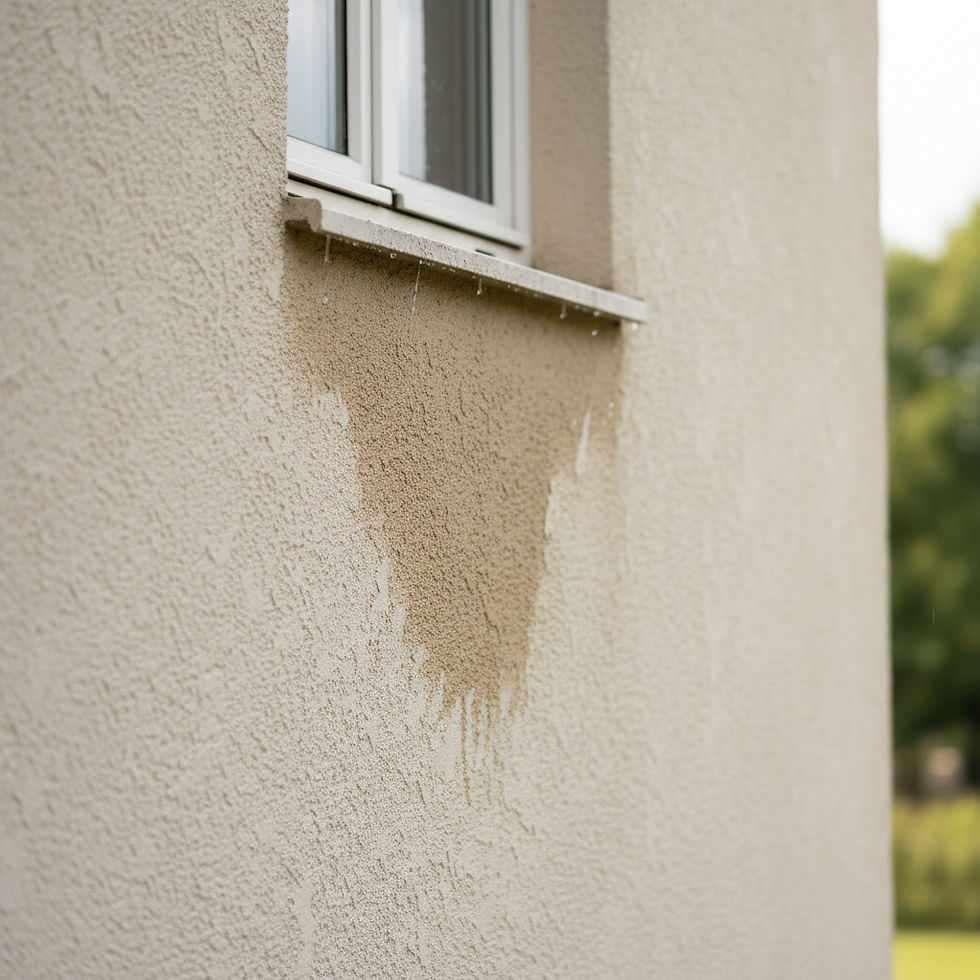
Look at the surrounding area, too. Are there other cracks nearby? Has sealant separated from a window frame? Is there staining or another visible change?
Avoid assuming that simply covering a crack with caulk will address whatever caused it. Some cracks are cosmetic, while others may require a more thorough evaluation before deciding on an appropriate repair.
A Crack Is a Clue, Not a Diagnosis
Houston homes endure intense summer heat, periods of heavy rain, changing soil moisture, and occasional freezing temperatures.
Over time, those conditions can affect exterior building materials.
A newly noticed stucco crack isn't necessarily a reason for alarm, but it shouldn't automatically be dismissed, either.
Understanding the location, pattern, and surrounding conditions is far more useful than judging the crack by its appearance alone.
The goal isn't to find a house without a single crack. It's to understand which cracks matter and why.


Comments