


Understanding Hairline vs Structural Cracks in Your Stucco: What's a Concern?
Cracks in stucco walls can cause worry for any homeowner. When you spot a crack, the big question is: Is this just a cosmetic issue or a sign of something more serious? Knowing the difference between hairline cracks and structural cracks can save you time, money, and stress. This post will guide you through identifying these cracks, understanding their causes, and deciding when to take action.

What Are Hairline Cracks in Stucco?
Hairline cracks are very thin, often less than 1/16 inch wide. They usually appear as fine lines on the surface of the stucco and rarely go deep into the wall. These cracks are common and often develop as the stucco dries and cures or due to minor settling of the house.
Common Causes of Hairline Cracks
Shrinkage during curing: Stucco shrinks slightly as it dries, causing tiny surface cracks.
Temperature changes: Expansion and contraction from heat and cold can create small cracks.
Minor settling: As your home settles over time, small movements can cause hairline cracks.
Normal wear and tear: Exposure to weather elements can gradually cause these cracks.
Why Hairline Cracks Usually Aren't a Problem
Hairline cracks are mostly cosmetic. They don’t affect the structural integrity of your home or let in water if properly sealed. Many homeowners notice them but don’t need to worry unless they grow wider or multiply rapidly.
How to Spot Structural Cracks in Stucco
Structural cracks are wider, often more than 1/8 inch, and may extend through the stucco into the underlying wall or foundation. These cracks can be horizontal, vertical, or diagonal and often show signs of movement or damage.
Signs That a Crack Is Structural
Width greater than 1/8 inch: Wider cracks are more likely to be structural.
Cracks that grow over time: If cracks get bigger or longer, it suggests ongoing movement.
Cracks near doors, windows, or corners: These areas are stress points and more prone to structural issues.
Uneven or bulging stucco: This can indicate underlying damage or moisture problems.
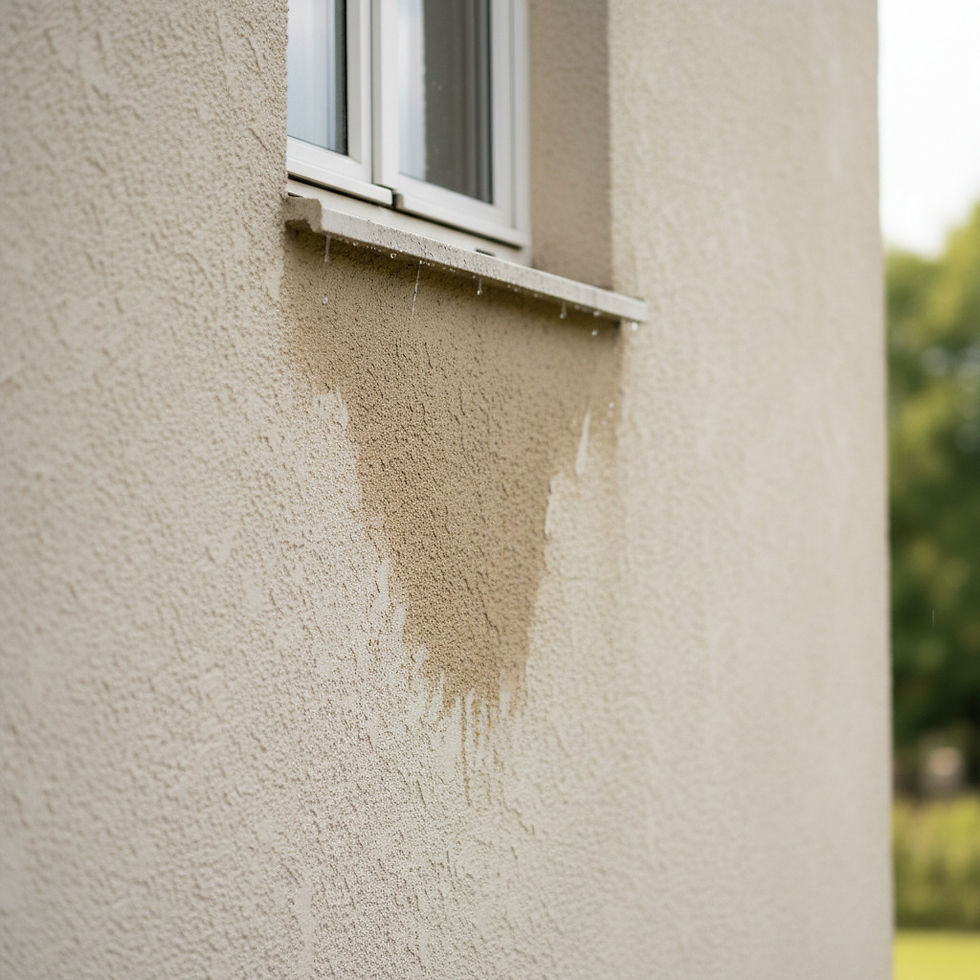
Water stains or mold near cracks: Water infiltration can worsen structural damage.
Causes of Structural Cracks
Foundation settling or shifting: Uneven foundation movement can cause serious cracks.
Poor stucco installation: Missing control joints or improper layering can lead to cracking.
Water damage: Moisture trapped behind stucco can weaken the wall and cause cracks.
Tree roots or soil movement: Nearby trees or soil changes can shift the foundation.
Severe weather events: Earthquakes, heavy rains, or frost can cause structural damage.
What to Do When You Find Cracks in Your Stucco
Inspect and Monitor
Start by measuring the width of the crack and noting its location. Take photos and check the crack every few months to see if it changes. This simple step helps you decide if the crack is stable or worsening.
Repairing Hairline Cracks
For hairline cracks, you can often fix them yourself or hire a handyman:
Clean the crack with a brush to remove dust.
Apply a high-quality acrylic caulk or stucco patch.
Paint over the repair to match your wall.
These repairs prevent water from entering and keep your home looking good.
When to Call a Professional
If you notice any of the following, contact a stucco or foundation expert:
Cracks wider than 1/8 inch
Cracks that grow or multiply quickly
Signs of water damage or mold
Bulging or uneven stucco
Doors or windows that stick or don’t close properly
A professional can assess the damage, determine the cause, and recommend repairs. Structural cracks may require foundation work, stucco replacement, or moisture control.
Preventing Stucco Cracks
While some cracking is normal, you can reduce the risk by:
Ensuring proper stucco installation with control joints
Maintaining good drainage around your home
Keeping gutters clean and directing water away from walls
Inspecting your foundation regularly for signs of movement
Avoiding planting large trees too close to your home
Regular maintenance helps keep your stucco in good shape and prevents costly repairs.
Final Thoughts on Stucco Cracks
Not every crack in your stucco is a sign of disaster. Hairline cracks are usually harmless and easy to fix, while structural cracks need prompt attention to protect your home. By knowing what to look for and when to act, you can keep your stucco walls strong and attractive for years.


Comments