


The Importance of Detailed Stucco Inspections for Houston Homeowners
Stucco is a popular exterior finish in Houston homes, valued for its durability and aesthetic appeal. Yet, it rarely signals problems with obvious signs like huge leaks or cracks. Instead, stucco issues tend to develop quietly, requiring a careful and detailed inspection to uncover. Understanding what a stucco inspection really involves can help homeowners and real estate agents make informed decisions about maintenance and property value.

What a Stucco Inspection Looks Like
A stucco inspection is not a quick search for flaws. It is a slow, deliberate process focused on observation and understanding. Inspectors examine how the stucco was applied, paying close attention to:
Transitions where stucco meets other materials like windows, doors, or trim
Penetrations such as vents, pipes, and electrical outlets
Finishes for cracks, texture consistency, and signs of wear
The inspector uses simple tools like moisture meters and drills, taking detailed notes rather than rushing to conclusions. This methodical approach helps reveal subtle signs of moisture intrusion or improper installation that could lead to bigger problems.
Why Houston’s Climate Demands Careful Stucco Attention
Houston’s hot, humid, and rainy climate puts stucco under constant stress. Moisture can seep into tiny cracks or poorly sealed joints, causing damage over time. Heat can cause expansion and contraction, leading to hairline fractures. Without regular inspections, these issues can go unnoticed until they cause significant damage.
A thorough stucco inspection helps homeowners understand how their exterior is aging and performing. It highlights areas that may need monitoring or repair before they become costly problems. This proactive approach saves money and preserves the home’s structural integrity.
Common Issues Found During Stucco Inspections
Inspectors often find several recurring issues during stucco inspections in Houston:
Cracks around windows and doors caused by movement or poor sealing
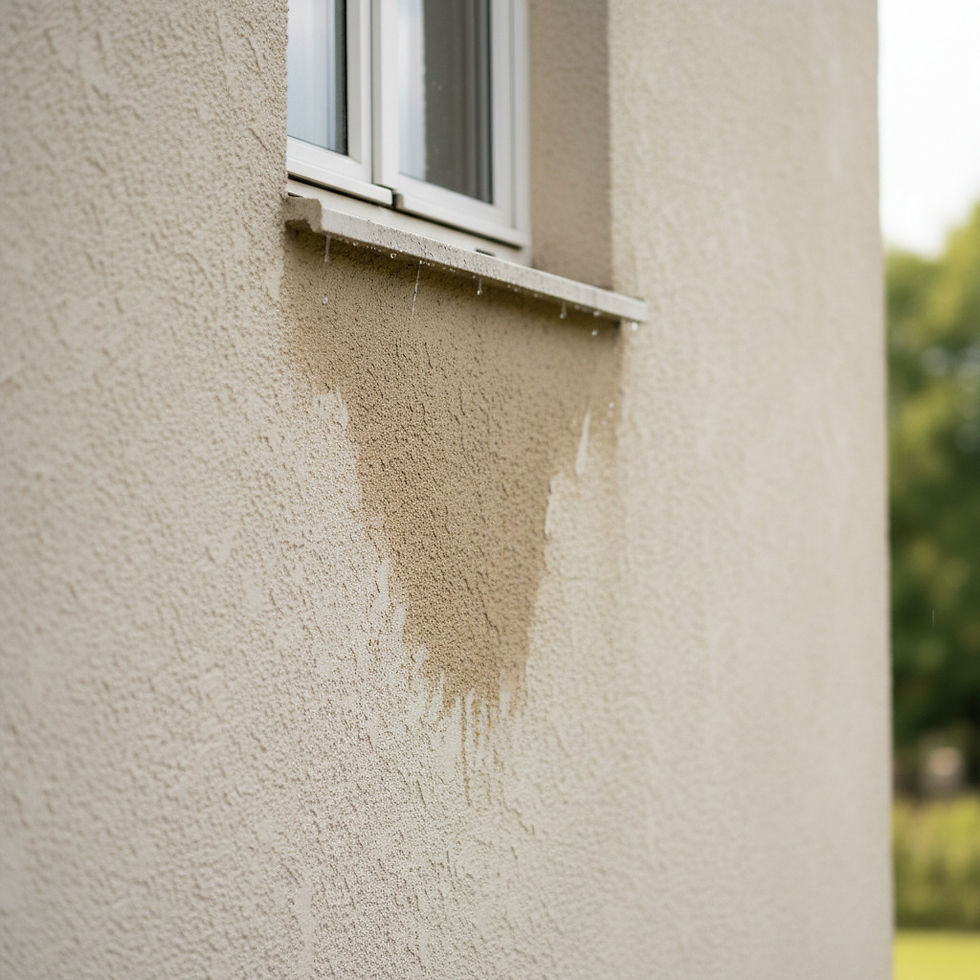
Improper flashing installation allowing water to enter behind the stucco
Moisture trapped behind the stucco due to lack of drainage or ventilation
Damaged or missing weep screeds which help direct water away from the wall
Uneven or thin stucco layers that reduce durability and protection
Identifying these problems early allows homeowners to schedule repairs or improvements that extend the life of the stucco and protect the home.
How a Stucco Inspection Benefits Homeowners and Buyers
For homeowners, a stucco inspection provides peace of mind. It confirms the current condition of the exterior and points out any areas needing attention. This clarity helps plan maintenance budgets and avoid unexpected repairs.
For buyers and real estate agents, a stucco inspection offers valuable insight into the property’s condition. It can reveal hidden issues that affect the home’s value or require negotiation. Knowing the state of the stucco system supports confident decisions during the buying process.
What to Expect During a Stucco Inspection
When scheduling a stucco inspection, homeowners should expect:
An inspector moving slowly around the home, examining all exterior surfaces
Use of tools like moisture meters to detect hidden dampness
Detailed notes and photos documenting the condition and any concerns
A clear report explaining findings and recommendations
This thorough approach ensures nothing is overlooked and provides a reliable assessment of the stucco’s health.
Taking Action After the Inspection
Once the inspection is complete, homeowners should review the report carefully. Some issues may require immediate repair, while others might only need monitoring. Working with a qualified stucco contractor ensures repairs are done correctly, preserving the home’s protection against Houston’s challenging weather.
Regular inspections help catch new problems early. This ongoing care keeps stucco in good shape and maintains the home’s curb appeal and value.


Comments