


Top Spring Stucco Issues to Watch for in the Houston Area
Spring in Houston brings warmer weather and occasional heavy rains, which can create challenges for homeowners and real estate agents when it comes to maintaining stucco exteriors. Stucco is a popular choice in the Houston area due to its durability and aesthetic appeal, but it requires attention to prevent common problems that tend to surface during this season. Understanding these issues can help protect your property’s value and avoid costly repairs.

Cracking and Hairline Fractures
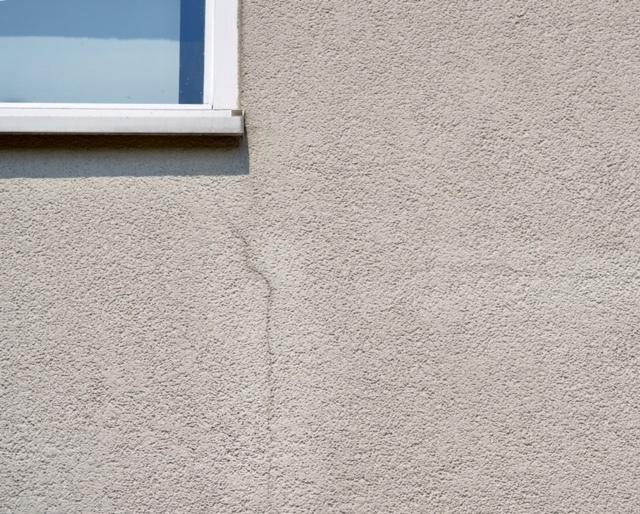
One of the most frequent spring concerns is cracking in stucco surfaces. Houston’s fluctuating temperatures and humidity levels cause stucco to expand and contract, which can lead to hairline fractures or larger cracks. These cracks allow moisture to seep behind the stucco, potentially causing mold growth or damage to the underlying structure.
What to look for:
Small, thin cracks running horizontally or vertically
Larger cracks that may widen over time
Cracks near windows, doors, or corners where stress is higher
How to address it:
Inspect your home’s exterior after heavy rains or temperature swings
Seal minor cracks with a high-quality acrylic caulk designed for stucco
For extensive cracking, consult a professional to assess if repairs or partial reapplication are needed
Moisture Intrusion and Water Damage
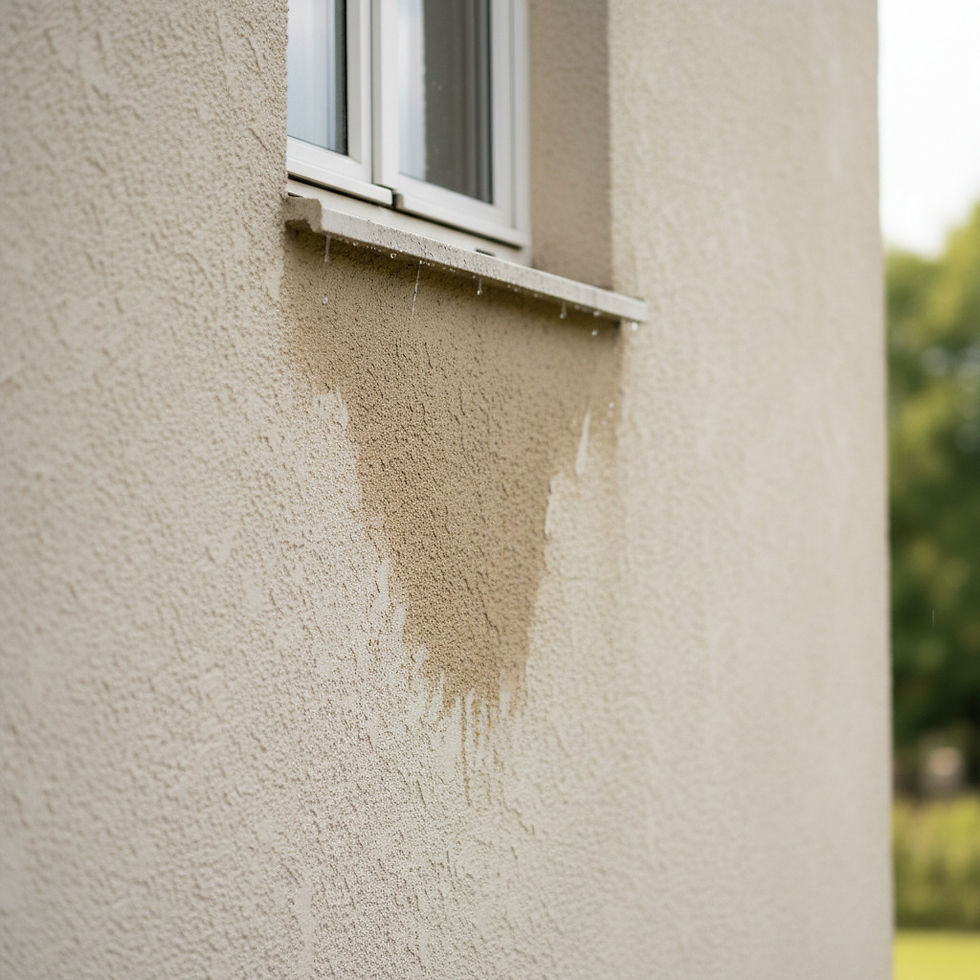
Houston’s spring rains can expose weaknesses in stucco’s water resistance. Stucco is designed to shed water, but if the protective coating or flashing around windows and doors is compromised, water can penetrate and cause damage.
Signs of moisture problems:
Discoloration or stains on stucco surfaces
Soft or spongy areas when pressed
Peeling paint or bubbling beneath the stucco finish
Preventive steps:
Ensure gutters and downspouts direct water away from the foundation
Check and repair flashing around openings
Apply a water-resistant sealant every few years to maintain stucco’s protective barrier
Efflorescence and White Stains
Efflorescence appears as white, powdery deposits on stucco surfaces. It happens when water dissolves salts within the stucco or masonry and brings them to the surface as it evaporates. This is common in Houston’s humid climate during spring.
Why it matters:
Efflorescence indicates moisture is present within or behind the stucco
While mostly cosmetic, it can signal underlying water issues that need attention
How to manage it:
Clean affected areas with a medium-stiff brush and water; avoid harsh chemicals
Address moisture sources such as leaks or poor drainage
Consider applying a breathable water repellent to reduce future occurrences
Mold and Mildew Growth
The combination of moisture and warmth in Houston’s spring creates ideal conditions for mold and mildew on stucco surfaces. These fungi not only discolor the exterior but can also cause health concerns and degrade the stucco over time.
Common signs:
Black, green, or gray patches on stucco walls
Musty odors near affected areas
Increased staining after rain or high humidity
Prevention and treatment:
Regularly clean stucco with a mild detergent and water solution
Trim back vegetation to improve airflow and reduce moisture buildup
Use mold-resistant paints or coatings when repainting stucco
Stucco Delamination and Peeling
Delamination occurs when the stucco separates from the underlying wall, often due to trapped moisture or poor installation. Peeling paint or stucco layers can also happen when the surface is exposed to repeated wetting and drying cycles.
Warning signs:
Bubbling or blistering on the stucco surface
Sections of stucco that feel loose or hollow when tapped
Visible gaps between stucco and the wall
What to do:
Have a professional inspect the affected areas promptly
Repair or replace damaged stucco sections to prevent further deterioration
Improve drainage and ventilation to reduce moisture buildup behind the stucco
Impact of Houston’s Climate on Stucco
Houston’s climate plays a significant role in stucco maintenance. The city experiences high humidity, heavy spring rains, and temperature swings that stress stucco surfaces. Additionally, the coastal environment can introduce salt and pollutants that accelerate wear.
Homeowners and real estate agents should keep these factors in mind when inspecting properties or planning maintenance. Regular checks during spring can catch problems early and preserve the home’s curb appeal and structural integrity.
Tips for Maintaining Stucco in Houston’s Spring
Schedule a thorough exterior inspection after the rainy season
Clean stucco surfaces gently to remove dirt, mold, and efflorescence
Repair cracks and damaged areas promptly to prevent water intrusion
Maintain gutters, downspouts, and landscaping to direct water away from the home
Use breathable sealants and coatings designed for stucco in humid climates
By staying proactive, you can avoid many common spring stucco problems and keep your Houston property looking its best.

Comments