


Is That Gap Around Your Window Letting Water into Your Walls?

Small openings where windows meet stucco can create bigger problems than homeowners realize.
Take a walk around your house on a pleasant November afternoon, and you may notice something you've overlooked all summer.
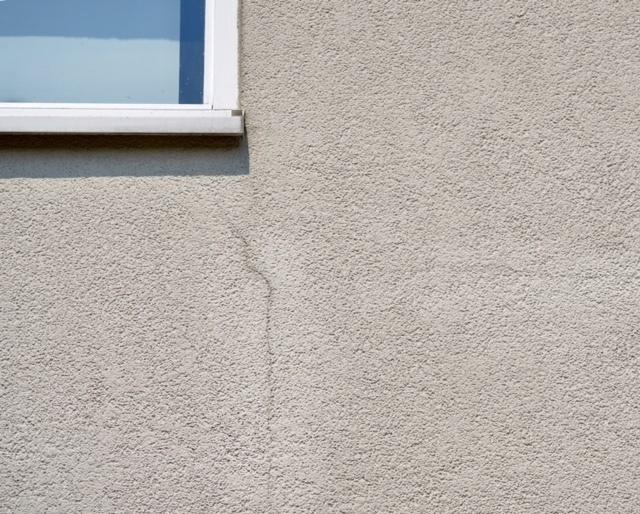
A narrow gap has developed between a window frame and the surrounding stucco.
Perhaps the sealant has pulled away. Maybe it's cracked, brittle, or missing in a small section. The window itself looks fine, and there's no obvious water damage inside.
Is it something to worry about?
Not necessarily. But it's worth understanding why those small openings matter.
Windows Interrupt the Wall's Protective System
A stucco exterior is more than a decorative finish. It's part of a wall assembly designed to manage water and protect the materials behind it.
Windows create openings in that assembly.
Properly installed flashing, drainage provisions, and sealants work together to manage water around those openings. The exact details depend on the type of stucco system and how the window was installed.
When one of those components deteriorates or was improperly installed, water may find a pathway into areas where it doesn't belong.
The visible sealant is only one part of that protection.
Why Do Gaps Develop?
Houston homes experience considerable temperature changes throughout the year.
Summer sunlight heats exterior surfaces, while cooler nights allow materials to contract. Window frames, stucco, and surrounding building materials don't all expand and contract at exactly the same rate.
Over time, that movement can place stress on sealant joints.
Exposure to sunlight, moisture, and ordinary aging can also cause sealants to lose flexibility or adhesion.
A joint that was properly sealed several years ago may no longer be performing as intended.
A Small Gap Doesn't Always Mean a Small Problem
One of the challenges with water intrusion is that the visible opening may not tell you much about what's happening behind the wall.
A deteriorated sealant joint doesn't automatically mean water has entered the wall assembly.
Likewise, a window can appear properly sealed from the outside while hidden flashing or drainage deficiencies allow moisture to accumulate.
Water can travel along framing members and other concealed pathways before producing visible evidence indoors.
That's why the condition of the entire window-to-wall connection matters more than the appearance of one bead of caulk.
Should You Just Add More Caulk?
It's tempting to grab a tube of exterior sealant and fill every opening you can find.
But not every gap around a window is supposed to be sealed.
Some window and stucco assemblies include drainage or weep openings that must remain clear so water can escape.
Sealing those openings can interfere with the system's intended drainage.
Other joints may require removal of deteriorated material, proper preparation, and a compatible sealant rather than simply applying another layer over the old one.
Before making repairs, it's important to understand how the particular window and wall assembly is designed to manage moisture.
What Should Homeowners Watch For?
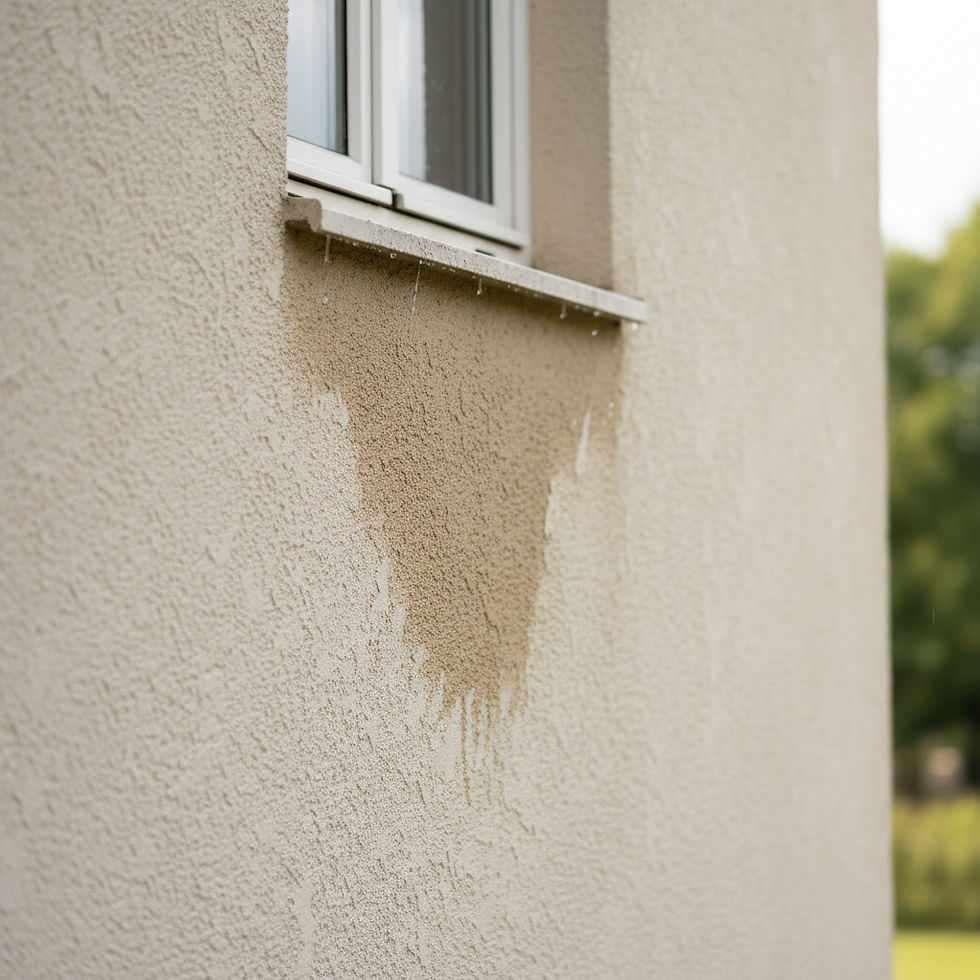
Pay attention to sealant that has separated from the window frame or stucco, visible cracking around window corners, staining beneath windows, or changes in the surrounding finish.
Look for patterns rather than focusing on a single imperfection.
For example, repeated staining beneath several windows on the same elevation may suggest a different concern than one isolated area of aging sealant.
Document changes with photographs, especially if you notice them after periods of heavy rain.
If there are signs of possible moisture intrusion, a qualified stucco inspector can evaluate the surrounding conditions and help determine whether further investigation is appropriate.
The Window May Be Fine. The Connection May Not Be.
A window doesn't have to be broken or visibly leaking to deserve attention.
The connection between the window and the surrounding stucco is an important part of the building envelope, and it experiences years of exposure to Houston's heat, rain, and changing temperatures.
November's comfortable weather offers a good opportunity to look at those areas before winter storms arrive.
Sometimes the most important part of a window isn't the glass or the frame. It's how the window connects to the wall around it.

Comments