


Cold, Damp, and Cracking: What Winter Weather Can Do to Stucco

Stucco may look solid and low-maintenance on the surface, but winter weather — even in Houston’s relatively mild climate — can reveal underlying issues that homeowners shouldn’t ignore. Cold snaps, heavy rain, and rising indoor humidity all interact with stucco in ways that can lead to moisture intrusion, cracking, and long-term damage.
Understanding how winter conditions affect your stucco can help you catch problems early and avoid costly repairs down the line.
Temperature Swings Cause Expansion and Contraction
While Houston doesn’t often experience deep freezes, our winter weather can still fluctuate dramatically — warm and humid one day, windy and cold the next. These swings in temperature cause building materials to expand and contract, and stucco is no exception.
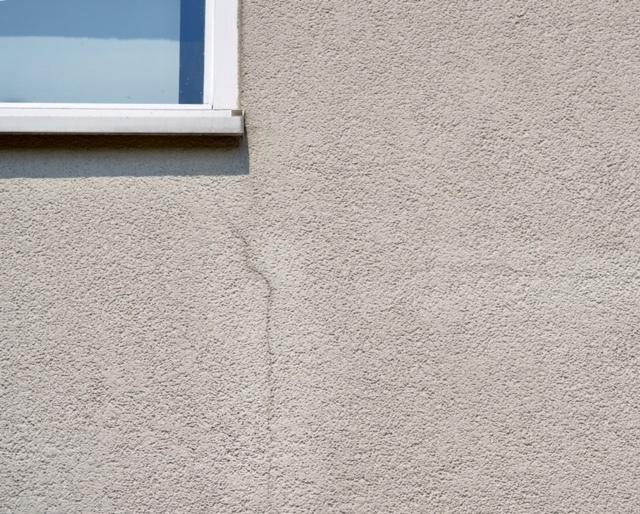
Over time, that repeated movement can cause small cracks to form in the stucco surface. Left untreated, these cracks may allow moisture to penetrate behind the walls, leading to water damage, mold growth, and deterioration of the substrate.
Moisture Can Build Up Behind the Surface
Stucco is porous by nature, which means it absorbs moisture from rain, condensation, or even indoor humidity. If the system isn't properly sealed or has hidden defects, that moisture can become trapped behind the walls.
In winter, when homeowners are more likely to run heaters and keep windows closed, trapped moisture can have fewer opportunities to evaporate — which increases the risk of interior wall damage or mold development inside the structure.
Common Warning Signs to Watch For
Early detection is key to preventing more serious structural or water-related problems. During the cooler, wetter months, keep an eye out for:
Hairline or widening cracks in the stucco
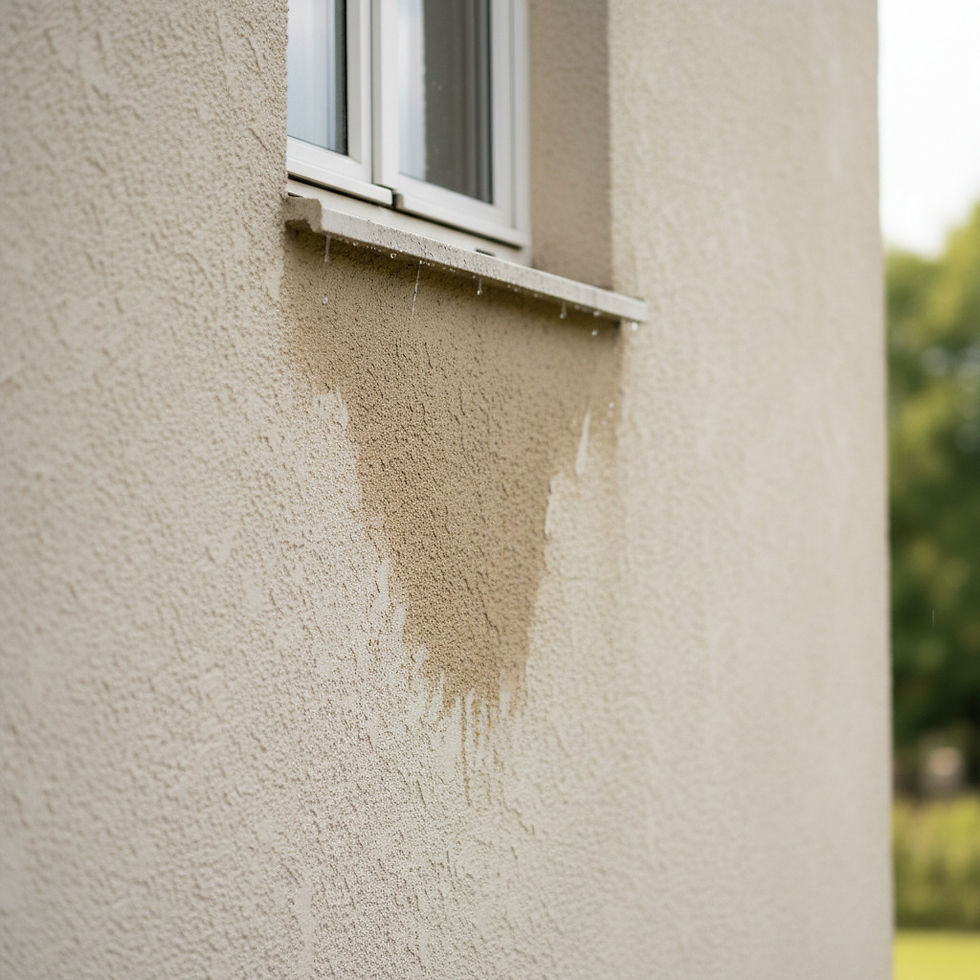
Dark streaks or staining near windows and doors
Bulging or soft spots on walls
Musty odors inside the home, especially near exterior walls
Peeling paint or discoloration near stucco transitions
If you notice any of these signs, it may be time to have a professional inspection done to assess potential water intrusion or system failure.
Why Winter is a Smart Time for a Stucco Check-Up
Many homeowners assume spring or summer is the best time for exterior maintenance — but winter can actually highlight problems that go unnoticed during drier, warmer seasons.
Cooler weather, rain exposure, and indoor humidity make December through February a smart time to schedule a stucco inspection. Identifying cracks or trapped moisture now gives you a chance to correct small issues before they become expensive repairs.
Final Thoughts
Stucco is a durable and attractive exterior option, but it requires proper care and timely maintenance — especially during seasonal changes. Houston’s winter weather may not bring snowstorms, but it does bring moisture, temperature swings, and subtle risks that shouldn’t be ignored.
If you’re concerned about cracks, moisture, or the overall condition of your stucco, we’re here to help. A professional evaluation now can protect your home’s value and prevent bigger problems later.

Comments